

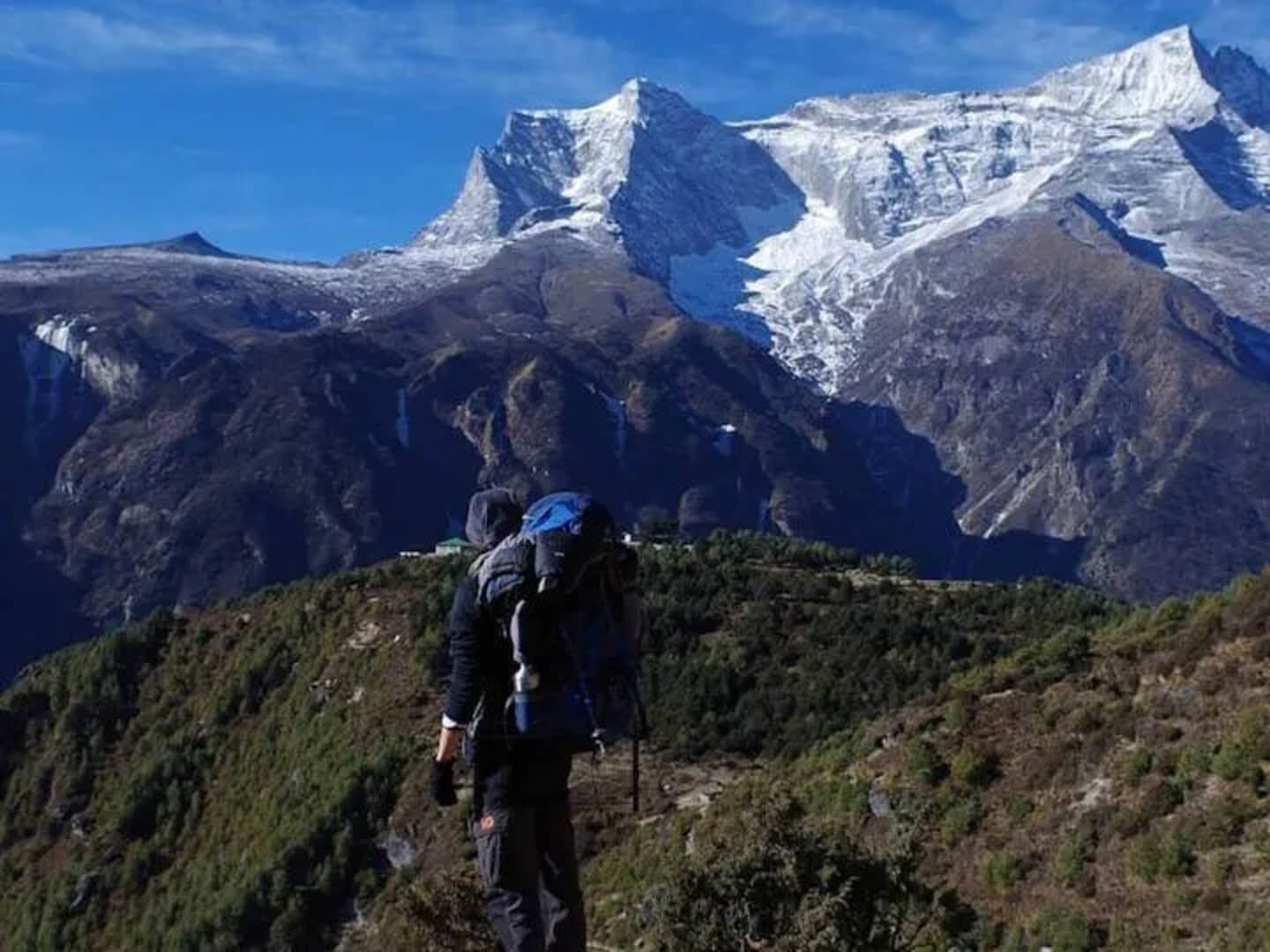
Finding a stop goal to Everest Base Camp, which tops at 5364 m/17761 ft, the Everest Base Camp Trek is the dream trek for hundreds of trekkers every year, presenting outstanding views of Himalayan peaks, a localized climate, and Sherpa culture, together with reveling in one of the world’s most popular hiking destinations. However, trekking is not without hanging around with difficulties, as some circumstances might be systematic in emergencies.
Helicopter evacuation from Everest Base Camp is a part of the overall first care in the entire Everest region when hikers fall ill due to severe altitude sickness, injuries, or an ailment. Such info enables trekkers to know how heli-rescue works and guides them to make better choices before starting their inspirational Himalayan expedition—cutting down the hassle factor when going to the Himalayas.
So, why even would you need to be airlifted on your Everest Base Camp trek?
The Everest Base Camp Trek exists in a harsh, high-altitude climate where conditions arrive and differ swiftly. Above 3000 meters, trekkers face the possibility of altitude sickness—many pulled along with raging complications, breathlessness, dizziness, and god-awful fatigue. The most severe cases contain a fitness chance and require evacuation as soon as feasible. Different factors consist of falls, inclement climate, and clinical situations that cannot be sufficiently handled at the mountain sanatorium. Helicopter rescue is a faster choice if it’s far too unsafe or impossible to retreat down taking walks.
Not unusual scientific conditions cause Helicopter Rescue on Mount Everest
One of the most common causes that require trekkers to be airlifted at a few levels within the Everest Base Camp Trek is acute mountain sickness. Acute mountain illness, excessive altitude pulmonary edema, and high-altitude cerebral edema are some life-threatening excessive-altitude illnesses that need to be addressed firsthand.
The injuries, infections, or dehydration that can require pressing help. Helicopter rescue, which transports hiking accident casualties to hospitals in Kathmandu inside hours amid the dearth of clinical centers in faraway regions, whether or not it’s via early identification of major symptoms or rapidly connecting with the publications, every 2 seconds in an excessive-altitude emergency counts.
How the Everest Base Camp Helicopter Rescue Process Works
Helicopter Rescue: The process starts as soon as a trekker notifies their guide. trekking company or local support crew about their medical emergency. So it essentially checks if the evacuation is essential or not. If there is a need for a rescue, the trekking company or insurance agency will coordinate with air and ground rescue teams. When we did the flight in the air, there were other things taken into consideration, like the weather, availability of helicopters, and locations where this could land. Once they arrive, trained first responders on the helicopter will help transport the trekker or hiker to a higher elevation or an appropriate hospital for care.
Guides who have potential roles in emergencies within helicopter trekking
For the Everest Base Camp helicopter rescue trek biography, the organization of experienced trekking guides is a permanent factor. They screen trekkers’ fitness, comprehend signs of altitude sickness, and summon rescue teams as necessary. The local guides are acquainted with the topography and weather conditions, and aid availability permits them to take quick action when calamity moves. They also help in tracking the trekkers between the helicopter operators and insurance companies. In remote areas, where help is not immediate, a trained guide provides an extra measure of safety support while trekking.
Helicopter landings in the summit region of Everest face turbulent airtraffic woes
Yet, helicopter rescues inside the Everest place are a completely distinct kettle of fish as rescuers face the harsh fact of Himalayan conditions. The high altitude, fierce winds, and converting weather styles, coupled with confined landing locations, may also hinder rescue efforts. Helicopters will now not continually be able to reach the scene straight away with a visibility hood or in proper flying conditions. The pilots could take a look at it before they landed. This is where the challenges arise, and it also proves why trekkers have to constantly observe safety precautions and must keep away from overstretching their physical capacity while on an Everest Base Camp trek.
What Happens After Helicopter Evacuation
Overly Concerned about Trekking How You Again Survive, Immediate Rescue to the location will happen quickly A helicopter rescue of trekkers leads you to different altitude areas or hospitals, depending on how bad your panic attack is. Galkot mentioned that most of the evacuations were done through flights back to Kathmandu, and hospitals there can more thoroughly evaluate and provide treatment. Doctors assess your condition as trekkers and recommend whether a few more observing times or connections with a doctor are needed. The medical care bounces back and prepares them for their next destination in Nepal during the return of the trekker. Once the trekker is rescued, the priority is HEALTH and sanity.
Ways to Reduce Your Chances of Needing Helicopter Evacuation
This inclusion, along with several helicopter rescue services available on the Everest Base Camp Trek, is not the best remedy compared to preventive medication. But with acclimatization, a slowly walking pace, adequate hydration, and an understanding of the risk of altitude, the risks are greatly reduced. Trekkers need to never hurry through this one; they must be upfront with guides and inform them of any discomfort or wellness concerns.
If you are traveling towards a region that requires lots of trekking, for that, try wearing the most suitable trekking attire to travel with; stay important prior to your venture; and also get made-up medications whenever necessary. The most significant key to successful high-altitude trekking is respect for the mountain conditions.
Insurance for Trek to Everest Base Camp
Travel insurance is mandatory for every trekker heading towards Everest Base Camp (EBC), as an emergency can occur despite all preparation. Getting the correct coverage allows them to prep for what may await visiting a high-altitude environment, as well as overcome any adversity that comes with trekking through such a space.
- A comprehensive exotic adventure insurance policy will not only cover high-altitude trekking but also include emergency helicopter evacuation.
- D. If you plan to trek during your trip, read the fine print of the policy carefully; most standard travel insurance policies will cover an accident in case something goes wrong at altitude up to a maximum elevation and there is no coverage above that height.
- Away from home, good insurance coverage shields us from the unpredictable and simple ways of people utilizing help if necessary.
- Travel insurance is a must for trekking responsibly in the Everest region.
Conclusion on Everest Base Camp Helicopter Rescue
The Everest Base Camp helicopter rescue is an essential service, operating to provide food airlifts to climbers and acting as an emergency evacuation for trekkers in one of the planet’s toughest mountain environments. Most trekkers enjoy themselves and finish the challenge safe and sound, but it pays to get knowledgeable about rescue processes as well as dangers related to being led out in a crisis, how to do that if something goes wrong, and what kind of insurance policy needs to be bought for this.
These mountains give a lot if you request them respectfully, approach them with precision, and make sensible choices, keeping Mother Nature a top priority. But with appropriate planning, a realistic appraisal of the problems involved in trekking at altitude, and a little assistance from our team of experienced professionals, every trekker should be able to successfully complete this incredible trek to Everest Base Camp.
